
Best Insoles for Flat Feet · Running

Best Insoles for Running With Flat Feet

For running with flat feet, choose a thin insole with a defined low arch that fits your running shoe: our top pick is the CURREX RunPro in its Low profile. Research on matching running shoes to arch type is mixed, and one major review suggests comfort is a good guide. Start with the most comfortable supportive setup and build up distance gradually.

Checked October 2026 · general information, not medical advice

Runner tying a neutral running shoe on a park bench before a morning run

Our top 3

Top picks at a glance

Best for running#1
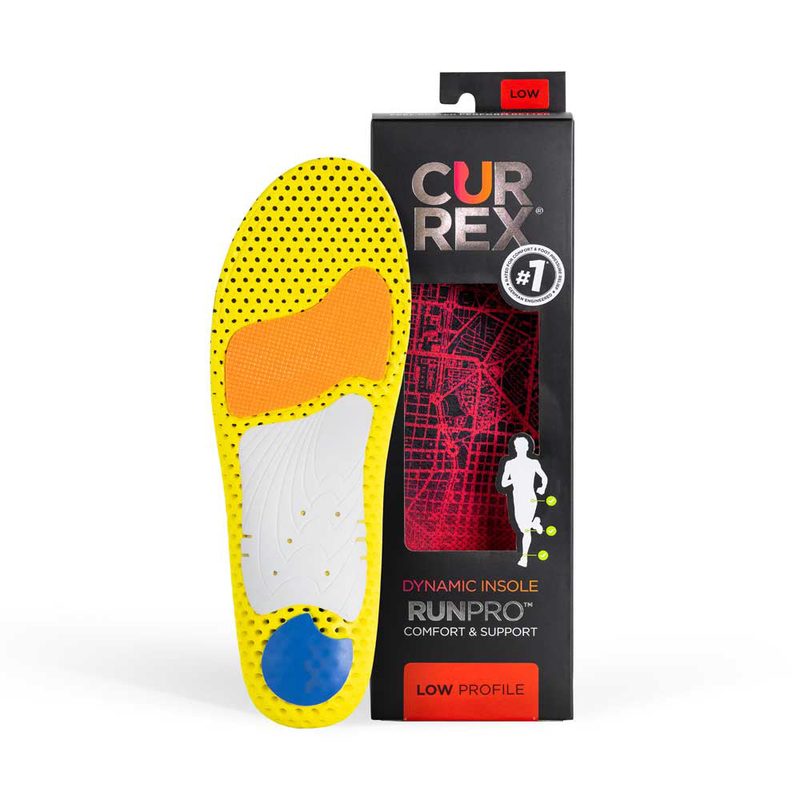
CURREX RunPro (Low profile) insole

CURREX RunPro (Low profile)

Premium price range

Thin, flexible insole in three arch profiles; CURREX points flat feet to Low.

Check current price ›
Best structured running insole#2
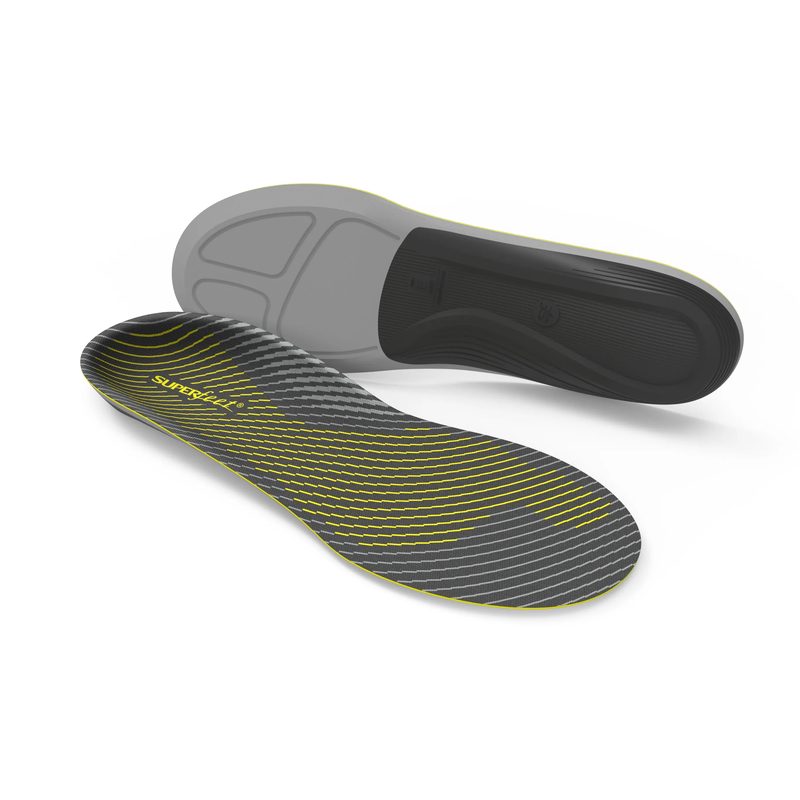
Superfeet Run Support Low Arch insole

Superfeet Run Support Low Arch

Premium price range

Low arch with a carbon-fiber cap and two foam layers (formerly Superfeet Carbon).

Check current price ›
Best for collapsing arches#3
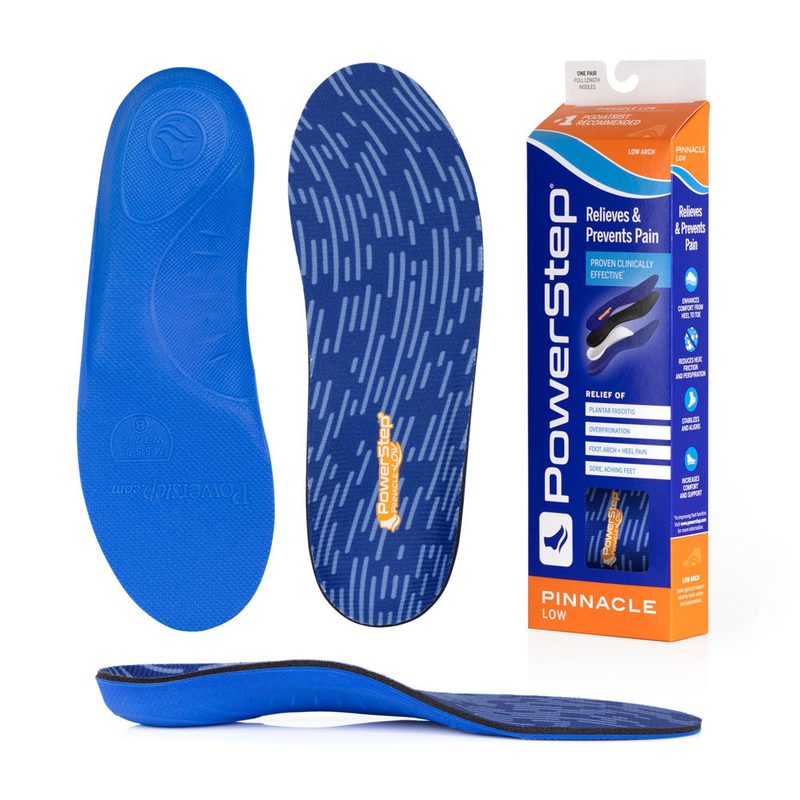
PowerStep Pinnacle Low insole

PowerStep Pinnacle Low

Premium price range

Semi-rigid shell with a low arch; more control if a flexible insole flattens under you.

Check current price ›

In detail

Who each one suits

Specifications are each brand’s own; fit notes draw on podiatry sources and independent reviews. We did not lab-test these insoles.

CURREX RunPro (Low profile) insole
Premium price range
Best for running#1

CURREX RunPro (Low profile)

Running shoes rarely have room for a thick orthotic. The RunPro is thin and flexible, comes in Low, Medium and High profiles, and CURREX’s own fitting guide maps flat feet and low arches to the Low profile.

Why it stands out

  • Flexible “dynamic” shell that moves with the foot instead of locking it.
  • Zero heel drop and a decoupled heel, so it does not change how your shoe feels much.
  • Sized XS–2XL and trimmable; fits widths up to 2E.
ArchLow profile (choose Low for flat feet)
SupportFlexible dynamic shell
LengthFull length, sized and trimmable
CushioningDual-layer, zero drop
FitsRunning, walking and training shoes

Good fit if

  • You run or train and want arch support that fits inside a running shoe.
  • A firm full orthotic has felt too stiff on the run.

Skip it if

  • Your arch collapses a long way — a flexible insole can flatten under you; consider the Pinnacle Maxx.
  • You need an insole for standing at work all day.
Superfeet Run Support Low Arch insole
Premium price range
Best structured running insole#2

Superfeet Run Support Low Arch

Superfeet’s low-arch running insole (formerly Carbon) pairs a carbon-fiber stabilizer cap with two layers of rebound foam. The current version is V2; older “Carbon” listings are still around, so check the name.

Why it stands out

  • Low arch with a stiff carbon-fiber cap.
  • Two layers of rebound foam for mid cushioning.
  • Sculpted heel cup; trim-to-fit.
ArchLow
SupportCarbon-fiber stabilizer cap
LengthFull length, trim-to-fit
CushioningTwo layers of rebound foam
FitsRoomy to moderate running and training shoes

Good fit if

  • You run in shoes with a removable liner and want a low arch with more structure than a flexible insole.
  • You prefer some cushioning over the firm All-Purpose models.

Skip it if

  • Your running shoes are snug — Superfeet rates it its thickest profile.
  • You find a stiff cap uncomfortable — try a flexible running insole instead.
PowerStep Pinnacle Low insole
Premium price range
Best for collapsing arches#3

PowerStep Pinnacle Low

The Pinnacle Low uses the same semi-rigid shell and deep heel cradle as the Pinnacle with a lower, contoured arch. PowerStep describes it as made for flat feet and overpronation, so it suits people who find a standard-height arch presses too much.

Why it stands out

  • Low contoured arch on a firm-but-flexible polypropylene shell.
  • Deep heel cradle; foam top layer over an EVA base.
  • Pre-sized in full sizes, widths up to 2E.
ArchLow (made for flat feet)
SupportSemi-rigid polypropylene shell
LengthFull length, pre-sized
CushioningFoam over EVA base
FitsAthletic, work and casual shoes with removable insoles

Good fit if

  • A standard-height arch has felt like a lump under your flat arch.
  • You want PowerStep support in a shape the brand designs for flat feet.

Skip it if

  • Your shoes have no removable insole.
  • Your ankles roll in a lot — the Pinnacle Maxx adds a posted heel.

Want support without changing how your shoe feels?

A thin, flexible low-profile insole is the least disruptive way to add arch support to a running shoe.

Check current price ›

Tips

Three things that make the difference

01

Remove the factory liner

Running insoles replace the liner, they do not go on top of it, or the shoe gets too tight and the arch sits in the wrong place.

02

Test on short runs first

Wear new insoles on walks and short runs for a week or two before a long run, following the brand’s break-in advice.

03

Replace shoes and insoles on time

Mayo Clinic advises runners to replace shoes about every 350 to 500 miles. Superfeet suggests about 500 miles or 12 months for its insoles.

Honest note

A flexible running insole will not hold up an arch that collapses a long way. If you need real control, a firmer orthotic or a stability shoe may suit you better. And if pain persists, get a gait assessment rather than adding more support.

FAQ

Questions people ask

Can you run with flat feet?

Yes. In a one-year study of 927 novice runners in neutral shoes, pronated feet had no higher injury risk than neutral feet. Many people with flat feet run comfortably; the aim is footwear that feels comfortable and stable to you.

Do flat-footed runners need stability shoes or insoles?

The evidence is mixed. Military studies found that assigning shoes by arch type made little difference to injuries, while one randomized trial found motion-control shoes reduced injuries in runners with pronated feet. No trial has compared stability shoes with neutral shoes plus insoles.

What is the comfort filter?

It is an idea from a 2015 review in the British Journal of Sports Medicine: runners naturally choose the most comfortable product, and that choice may lower injury risk. In practice, pick the insole and shoe that feel best on a run.

Which CURREX profile is right for flat feet?

CURREX’s own fitting guide maps flat feet and low arches to the Low profile (red). Some reviewers suggest a higher profile for very athletic flat feet, so if Low feels like too little, try the next profile up.

Will a running insole make my shoes tight?

It replaces the factory liner, so the fit should stay close if you choose a thin model. Thicker insoles such as the Superfeet Run Support are best in roomy-to-moderate running shoes.

Can arch supports help shin splints?

Possibly. Mayo Clinic lists flat feet as a shin splint risk factor and says arch supports might help prevent the pain, especially with flat arches. Increasing mileage gradually matters as much.

Support you can actually run in

Want the full picture? See all our best insoles for flat feet, compared by use, and the FAQ on fit, break-in and care.