Buyer’s guide · Updated October 2026

Best Insoles for Flat Feet (2026): Top Picks by Arch Support & Use

For most flexible flat feet, start with a semi-rigid insole with a low-to-moderate arch and a deep heel cup. Our best overall pick is the PowerStep Pinnacle; if your arches collapse and your ankles roll in, step up to the firmer Pinnacle Maxx.

At a glance

UpdatedOctober 2026
Insoles compared18
Best overallPowerStep Pinnacle
Arch to look forLow to moderate
PricesLive on the product page

Top picks at a glance

The best insoles for flat feet, by what you need

Seven insoles that cover how most people with flat feet actually spend their day. Each one is chosen for a reason, and each card says who should skip it.

Best overall#1
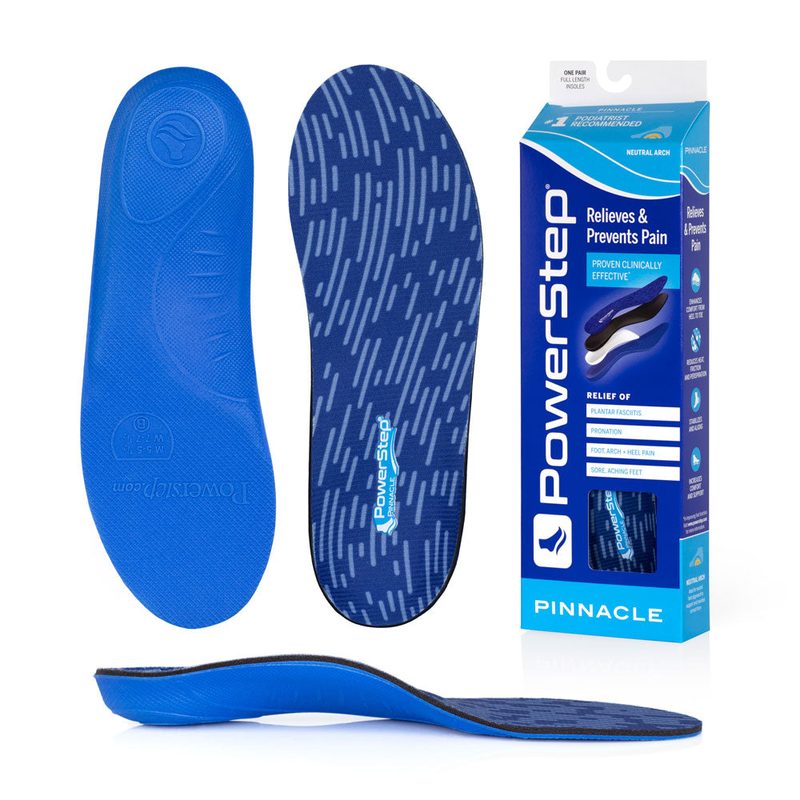
PowerStep Pinnacle insole

PowerStep Pinnacle

Premium price range

A semi-rigid shell, moderate arch and deep heel cradle: the first insole podiatry-led roundups most often suggest for flexible flat feet.

Check current price ›
Best for overpronation#2
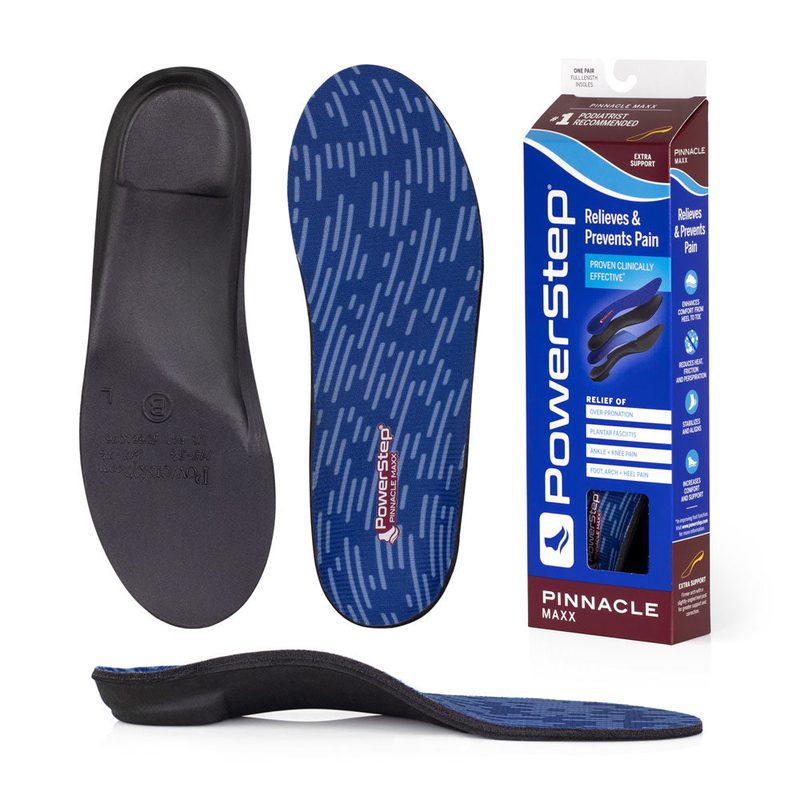
PowerStep Pinnacle Maxx insole

PowerStep Pinnacle Maxx

Premium price range

Same arch shape with a firmer shell and a 2° posted heel, for arches that collapse and ankles that roll in.

Check current price ›
Best for plantar fasciitis#3
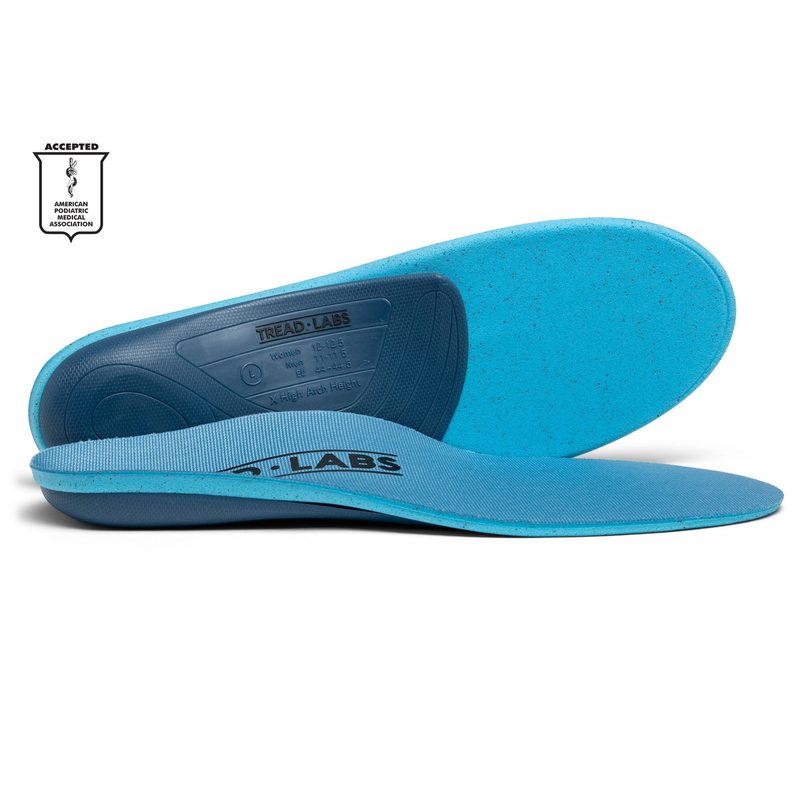
Tread Labs Pace insole

Tread Labs Pace

Premium price range

Extra-firm molded arch you order by height (Low for flat feet), a deep heel cup and a replaceable top cover.

Check current price ›
Best for standing all day#4
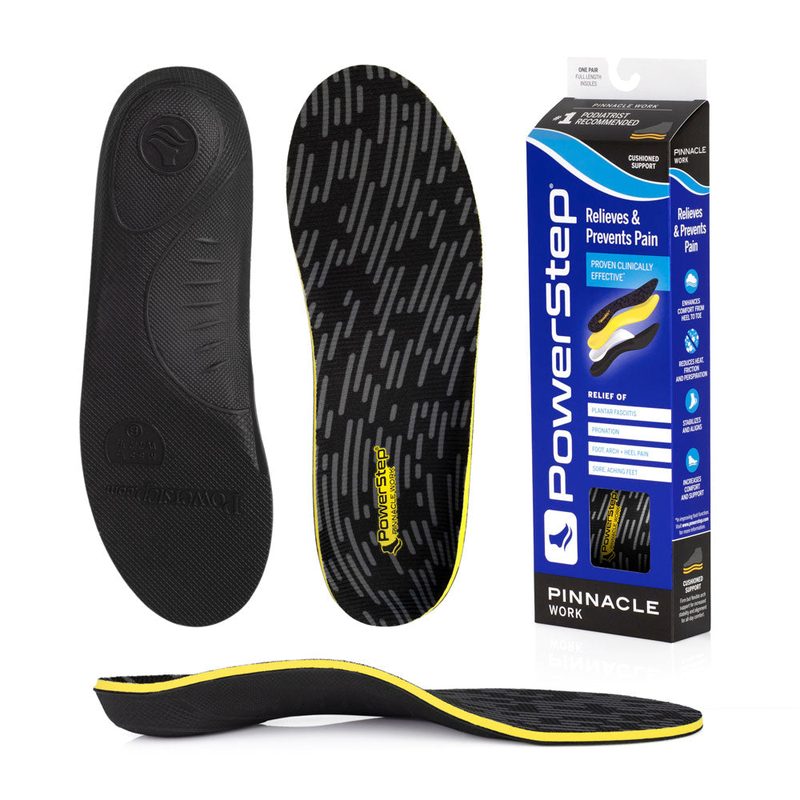
PowerStep Pinnacle Work insole

PowerStep Pinnacle Work

Premium price range

Pinnacle-style support with a thicker shock-absorbing foam layer, made for work shoes and boots on hard floors.

Check current price ›
Best for running#5
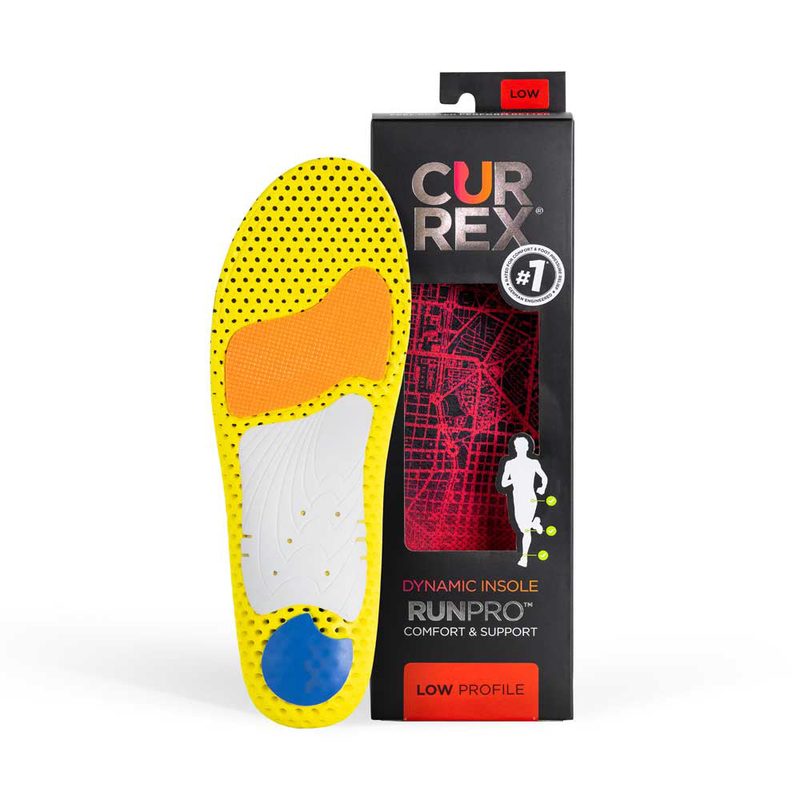
CURREX RunPro (Low profile) insole

CURREX RunPro (Low profile)

Premium price range

Thin, flexible insole sold in three arch profiles; CURREX points flat feet to the Low profile.

Check current price ›
Best slim fit#6
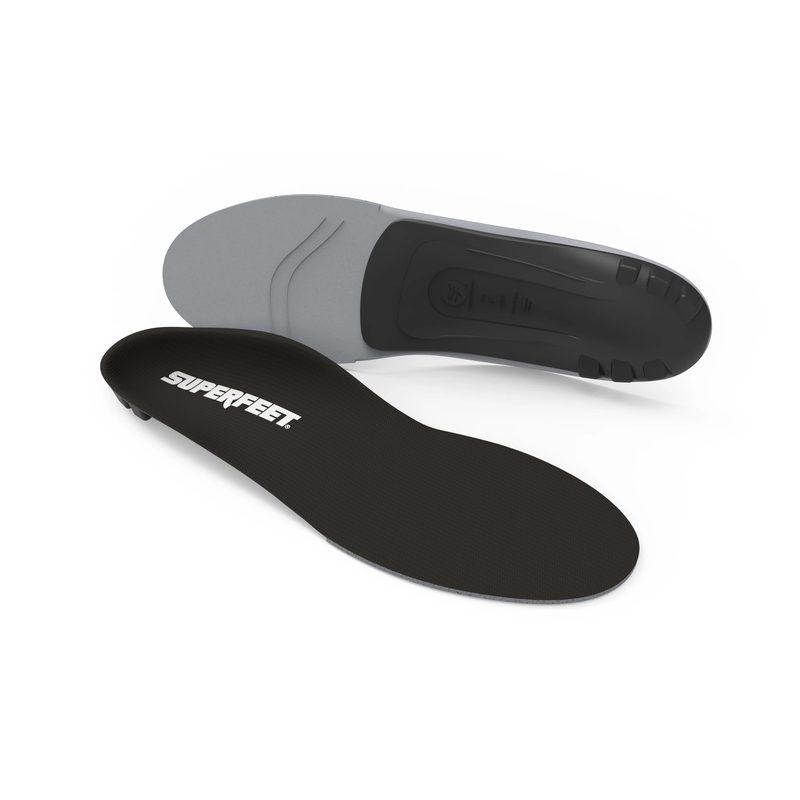
Superfeet All-Purpose Support Low Arch insole

Superfeet All-Purpose Support Low Arch

Premium price range

The model Superfeet itself steers flat-footed buyers to: thin, low-arch and firm, for slimmer shoes.

Check current price ›
Best budget#7
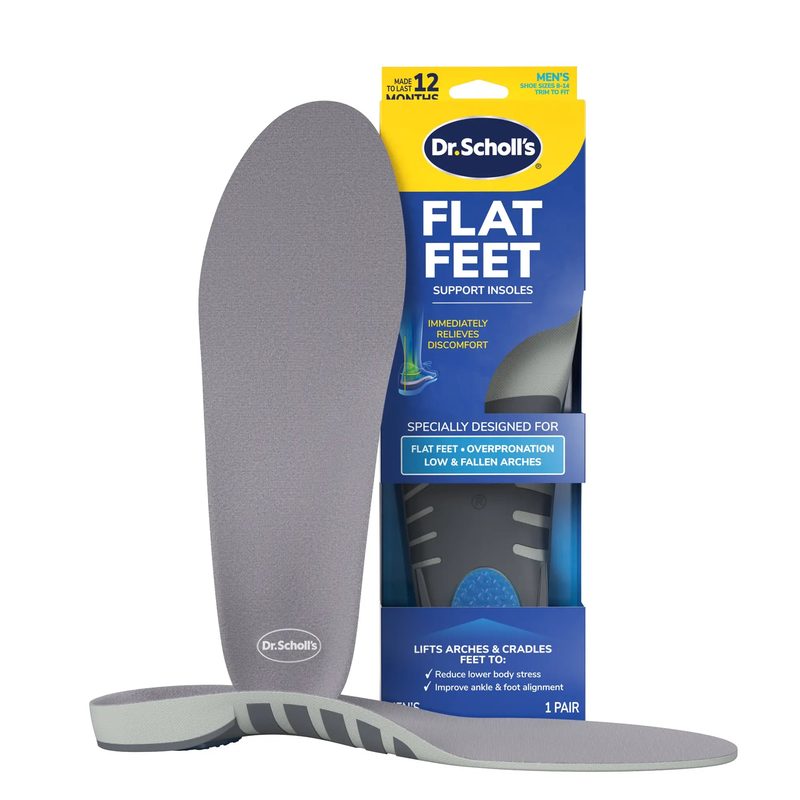
Dr. Scholl's Flat Feet Support Insoles insole

Dr. Scholl’s Flat Feet Support Insoles

Budget price range

A drugstore-priced insole built specifically for flat feet, with a motion-control stabilizing shell.

Check current price ›

Prices change daily, so we show a price range. Budget is under $20, Mid-range $20–$45, Premium over $45, based on list prices in October 2026.

Find your match

Start from your situation, not the brand

Flat feet show up differently for different people. Pick the line that sounds most like you.

PowerStep Pinnacle Maxx insole

My arches collapse when I walk

Start with

PowerStep Pinnacle Maxx

Ankles that roll in and shoes that wear on the inside edge point to overpronation. A firmer shell with a posted heel is designed to limit that roll.

Tread Labs Pace insole

Heel pain with my first steps

Start with

Tread Labs Pace

Morning heel pain is the classic plantar fasciitis pattern. Firm arch support with a deep heel cup is the combination most often suggested for it.

PowerStep Pinnacle Work insole

On my feet 8+ hours

Start with

PowerStep Pinnacle Work

Hard floors call for support and cushioning together. Look for a firm arch under a thicker foam layer.

CURREX RunPro (Low profile) insole

I run or play sports

Start with

CURREX RunPro (Low profile)

Running shoes have little room. A thin, flexible insole with a defined low arch fits without changing how the shoe feels.

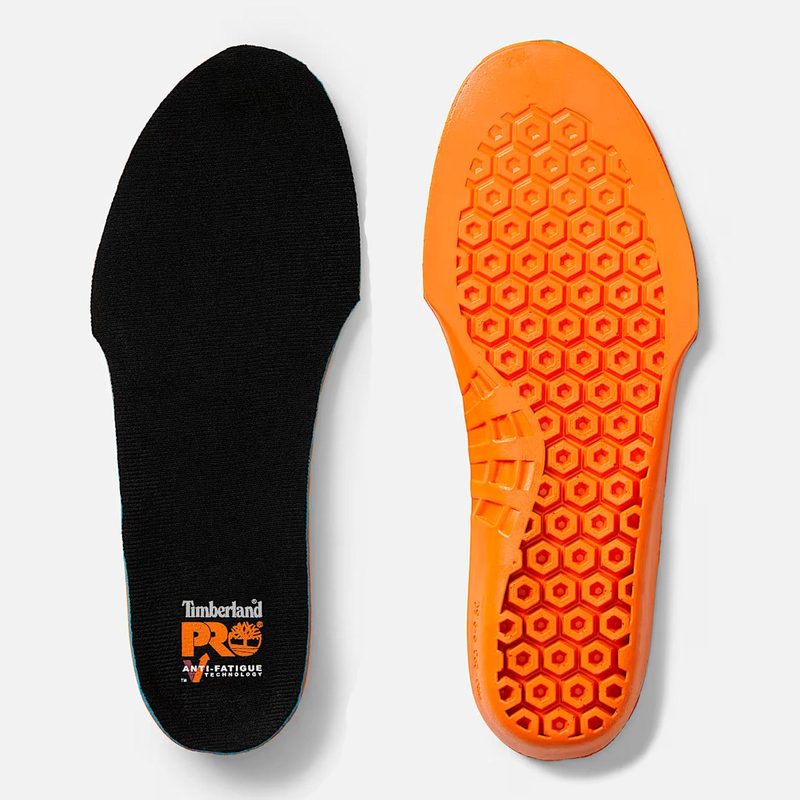
Timberland PRO Anti-Fatigue Footbed insole

Work boots all shift

Start with

Timberland PRO Anti-Fatigue Footbed

Boots need shock absorption first. If your arches also collapse, pair cushioning with a firmer shell.

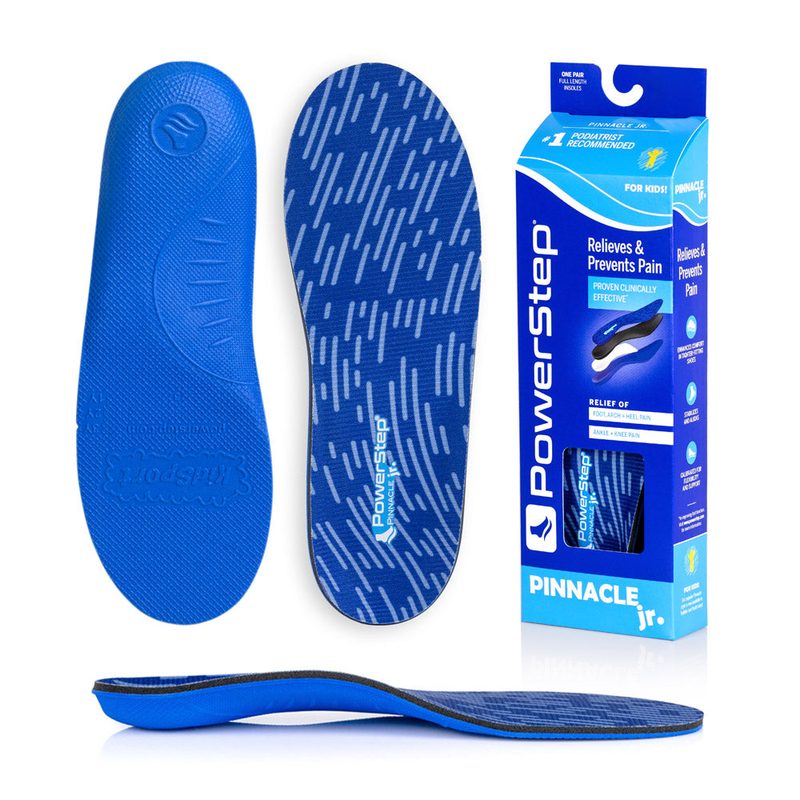
PowerStep Pinnacle Junior insole

Shopping for my child

Start with

PowerStep Pinnacle Junior

Most young children have flat feet and grow arches by about age 10. Insoles are for kids whose feet hurt, ideally after a doctor’s check.

Our picks in detail

What each insole does well, and who should skip it

Specifications come from each brand; fit notes draw on podiatry sources and independent reviews. We did not lab-test these insoles. How we pick.

PowerStep Pinnacle insole
Premium price range
Best overall#1

PowerStep Pinnacle

If you have flexible flat feet (the arch reappears when you sit or stand on tiptoe) and you have never worn an orthotic, this is the sensible first one to try. It is firm where it needs to be and cushioned on top, and it comes in full sizes, so there is no trimming.

Why it stands out

  • Polypropylene shell that is firm but flexible, so it supports the arch without feeling like a brick.
  • Deep heel cradle and dual-layer cushioning (foam over an EVA base).
  • PowerStep rates it for mild to moderate pronation; it fits widths up to 2E and is listed in the APMA Seal of Acceptance database.
ArchModerate (neutral)
SupportSemi-rigid polypropylene shell
LengthFull length, pre-sized
CushioningFoam over EVA base
FitsWalking, work and casual shoes with removable insoles

Good fit if

  • Your flat feet are flexible and ache after long days.
  • Your walking, work or casual shoes have a removable insole.
  • You want a pre-sized insole you will not have to trim.

Skip it if

  • No arch appears even on tiptoe (a rigid flat foot) — see a podiatrist first.
  • Your shoes are shallow or the insole does not come out — look at the Pinnacle 3/4.
  • Your ankles roll in a lot — the Pinnacle Maxx adds a posted heel.

PowerStep describes the standard Pinnacle as a neutral arch. If a moderate arch feels like too much under a very flat foot, the same shell comes as the PowerStep Pinnacle Low, which the brand designs for flat feet.

PowerStep Pinnacle Maxx insole
Premium price range
Best for overpronation#2

PowerStep Pinnacle Maxx

The Maxx keeps the Pinnacle arch shape but adds a firmer shell and an angled heel platform. PowerStep positions it for moderate to severe overpronation, which is common in flat feet.

Why it stands out

  • Firmer polypropylene shell with a 2° medial heel post (PowerStep’s figure).
  • Deep heel cradle and the same dual-layer cushioning as the Pinnacle.
  • Works in athletic, work and casual shoes with removable insoles, including work boots.
ArchModerate, posted heel
SupportFirmer shell, 2° medial heel post
LengthFull length, pre-sized
CushioningFoam over EVA base
FitsAthletic, work and casual shoes with removable insoles

Good fit if

  • Your arch drops noticeably and the inside edge of your shoes wears first.
  • A regular cushioned insole flattens out under you.
  • You stand or walk for long stretches in shoes with removable insoles.

Skip it if

  • Your flat foot is rigid, or you have numbness or neuropathy — get a professional assessment first.
  • Your symptoms are mild and this is your first orthotic — the standard Pinnacle is the gentler start.
Tread Labs Pace insole
Premium price range
Best for plantar fasciitis#3

Tread Labs Pace

Tread Labs sells the Pace in four arch heights, so you match the arch to your foot instead of accepting one compromise shape. For flat feet that means the Low (27 mm). The brand names plantar fasciitis and severe overpronation as the use case.

Why it stands out

  • Extra-firm molded polypropylene arch, ordered by height (Low 27 mm, Medium 30 mm, High 33 mm, Extra High 36 mm).
  • Deep heel cup; the 5 mm top cover is replaceable when it wears.
  • Tread Labs backs the arch shell with its “Million Mile Guarantee.”
ArchChoose Low (27 mm) for flat feet
SupportExtra-firm molded polypropylene
LengthFull length, sized
CushioningReplaceable 5 mm top cover
FitsWalking and running shoes, hiking boots

Good fit if

  • You have heel pain and already know arch support helps you.
  • You want a long-lasting shell where only the top cover needs replacing.
  • You prefer firm support over soft cushioning.

Skip it if

  • You are not yet sure insoles help you — prove it with a cheaper insole first.
  • Your shoes do not have a removable insole.
PowerStep Pinnacle Work insole
Premium price range
Best for standing all day#4

PowerStep Pinnacle Work

For long shifts on concrete, the Pinnacle Work puts PowerStep’s semi-rigid shell under a thicker shock-absorbing foam layer. PowerStep sells it for work shoes, work boots and standing all day.

Why it stands out

  • Same firm-but-flexible shell and deep heel cradle as the Pinnacle.
  • Thicker “ShockAbsorb” foam on top for hard floors.
  • Pre-sized, widths up to 2E, black top fabric that hides wear.
ArchModerate (neutral)
SupportSemi-rigid polypropylene shell
LengthFull length, pre-sized
CushioningThicker shock-absorbing foam
FitsWork shoes and boots with removable insoles

Good fit if

  • You stand or walk on hard floors for most of the day.
  • Your work shoes or boots have a removable insole and some room.

Skip it if

  • Your boots are already snug — this is a thicker, dual-layer insole.
  • You specifically want a low-arch shape — this uses PowerStep’s neutral arch.
CURREX RunPro (Low profile) insole
Premium price range
Best for running#5

CURREX RunPro (Low profile)

Running shoes rarely have room for a thick orthotic. The RunPro is thin and flexible, comes in Low, Medium and High profiles, and CURREX’s own fitting guide maps flat feet and low arches to the Low profile.

Why it stands out

  • Flexible “dynamic” shell that moves with the foot instead of locking it.
  • Zero heel drop and a decoupled heel, so it does not change how your shoe feels much.
  • Sized XS–2XL and trimmable; fits widths up to 2E.
ArchLow profile (choose Low for flat feet)
SupportFlexible dynamic shell
LengthFull length, sized and trimmable
CushioningDual-layer, zero drop
FitsRunning, walking and training shoes

Good fit if

  • You run or train and want arch support that fits inside a running shoe.
  • A firm full orthotic has felt too stiff on the run.

Skip it if

  • Your arch collapses a long way — a flexible insole can flatten under you; consider the Pinnacle Maxx.
  • You need an insole for standing at work all day.
Superfeet All-Purpose Support Low Arch insole
Premium price range
Best slim fit#6

Superfeet All-Purpose Support Low Arch

Superfeet says there is no single insole for flat feet, but for everyday use it points flat-footed buyers to its Low Arch and cushioned models. This one is the thin, firm option that fits slimmer shoes, even some without removable insoles.

Why it stands out

  • Low arch height on a firm stabilizer cap over high-density foam.
  • Thin profile for moderate to tight shoes.
  • Trim-to-fit; listed in the APMA Seal of Acceptance database.
ArchLow
SupportFirm stabilizer cap over dense foam
LengthFull length, trim-to-fit
CushioningFirm, thin
FitsSlim everyday shoes, with or without removable insoles

Good fit if

  • Your shoes are slim, or their insole does not come out.
  • You like a firm, close feel underfoot and do not mind trimming to size.

Skip it if

  • You want plush cushioning — Superfeet rates it firm.
  • You want a deep heel cup — Superfeet calls this one “accommodating.”
  • Your boots have a waterproof (e.g. GORE-TEX) liner — Superfeet warns this model can damage it.
Dr. Scholl's Flat Feet Support Insoles insole
Budget price range
Best budget#7

Dr. Scholl’s Flat Feet Support Insoles

At a drugstore price, this is one of the few budget insoles built specifically for flat feet rather than general comfort. Dr. Scholl’s says it is designed for flat feet, low arches and overpronation, with a motion-control stabilizing shell. Older boxes call it “Stability Support.”

Why it stands out

  • Stabilizing shell and contoured arch rather than just gel.
  • Shock-absorbing heel cup.
  • Trim-to-fit in two size ranges.
ArchLow (flat feet, low arches)
SupportMotion-control stabilizing shell
LengthFull length, trim-to-fit
CushioningShock-absorbing heel cup
FitsEveryday shoes with removable insoles

Good fit if

  • You want to find out whether arch support helps before spending $50 or more.
  • You need a pair for each of several shoes.

Skip it if

  • You need the firmer control of a polypropylene orthotic like the Pinnacle Maxx.
  • Your arch stays flat even on tiptoe, or one foot has flattened recently — get a professional assessment first.

Side by side

Compare the specs

Scroll sideways on a phone. Arch heights are each brand’s own description.

InsoleBest forArchSupportLengthCushioningPrice range
PowerStep PinnacleBest overallModerate (neutral)Semi-rigid polypropylene shellFull length, pre-sizedFoam over EVA basePremiumCheck price
PowerStep Pinnacle MaxxBest for overpronationModerate, posted heelFirmer shell, 2° medial heel postFull length, pre-sizedFoam over EVA basePremiumCheck price
Tread Labs PaceBest for plantar fasciitisChoose Low (27 mm) for flat feetExtra-firm molded polypropyleneFull length, sizedReplaceable 5 mm top coverPremiumCheck price
PowerStep Pinnacle WorkBest for standing all dayModerate (neutral)Semi-rigid polypropylene shellFull length, pre-sizedThicker shock-absorbing foamPremiumCheck price
CURREX RunPro (Low profile)Best for runningLow profile (choose Low for flat feet)Flexible dynamic shellFull length, sized and trimmableDual-layer, zero dropPremiumCheck price
Superfeet All-Purpose Support Low ArchBest slim fitLowFirm stabilizer cap over dense foamFull length, trim-to-fitFirm, thinPremiumCheck price
Dr. Scholl’s Flat Feet Support InsolesBest budgetLow (flat feet, low arches)Motion-control stabilizing shellFull length, trim-to-fitShock-absorbing heel cupBudgetCheck price

Not sure where to start?

Most flexible flat feet do well with a semi-rigid, moderate-arch insole. The PowerStep Pinnacle is pre-sized, fits widths up to 2E and has a lower-arch twin if you need it. Price, sizes and delivery are live on the product page.

How to choose

Five things that matter more than the brand

Most bad insole experiences come from the wrong shape for the foot or the wrong thickness for the shoe.

01

Low-to-moderate arch

A flat foot does better with an arch it can actually rest on. A tall, hard arch tends to press. Superfeet labels its tallest model “High Arch” and points flat feet to its Low Arch and cushioned models.

02

Firm, not squashy

Cleveland Clinic’s advice for over-the-counter inserts is a firm arch that does not easily give. Soft gel feels nice in the store but flattens under a collapsing arch.

03

A heel that sits in a cup

Your heel should sit in the insole’s heel cup, not on top of it. A deeper cup helps keep the heel centred; slim models trade some depth for fit.

04

Full length or 3/4

Full-length insoles replace the shoe’s own insole in roomier shoes. 3/4 insoles sit on top in tighter shoes and shoes whose insole does not come out.

05

Cushioning for your day

Standing on concrete calls for more foam; running calls for a thin, flexible build. Firmness is a comfort trade-off, so pick for how you actually spend your day.

FAQ

Insoles for flat feet: questions answered

Straight answers to the questions people ask before buying, drawn from podiatry and medical sources and brand guidance. Checked October 2026. This is general information, not medical advice.

Do I need insoles?5

Do flat feet need insoles?

Not always. Mayo Clinic says most people with flat feet have no symptoms, and painless flat feet do not need treatment. Insoles are worth trying when your arches, heels or ankles ache, your feet tire quickly, or your shoes wear unevenly. If you have no discomfort, there is no need to buy anything.

Do insoles really help flat feet?

Many people find arch supports more comfortable, and clinicians commonly recommend them: Mayo Clinic says they often reduce symptoms. The research is more cautious. A 2023 review found orthoses “might be useful in decreasing pain in adults,” while other reviews call the evidence low quality. Cleveland Clinic notes inserts do not cause harm, so they are a reasonable, low-risk first step.

Can insoles fix flat feet permanently?

No. The NHS says insoles and supportive shoes will not change the shape of your feet, and the American Podiatric Medical Association says over-the-counter inserts cannot correct biomechanical foot problems. Arch supports work while you wear them: they support the arch and spread pressure, which is why symptoms can return if you stop.

Is arch support bad for flat feet?

Generally not. The usual problem is the wrong shape: an arch that is too tall or too hard can press uncomfortably under a flat foot. Choose a low-to-moderate arch, build up wear time gradually, and listen to the APMA’s advice: do not assume a pressure point will go away with continued wear.

Should people with flat feet use high-arch insoles?

Usually not as a first choice. A tall arch under a flat foot tends to create a pressure point. Superfeet, for example, labels its firmest classic model (the old Green) as “High Arch” and points flat-footed buyers to its Low Arch and cushioned models instead.

Choosing the right type5

What type of insole is best for flat feet?

For most flexible flat feet: a semi-rigid insole with a low-to-moderate arch and a deep heel cup. Cleveland Clinic advises choosing an over-the-counter insert with a firm arch that does not easily give. If firm support feels harsh, a cushioned support insole is a reasonable compromise, especially for standing all day.

Rigid, semi-rigid or soft: which is better?

Semi-rigid suits most people: firm enough to support the arch, flexible enough for all-day wear. Rigid shells give the most control but take longer to get used to. Soft foam or gel adds comfort but little support. A 2026 review of standing workers noted semi-rigid arch supports can cause discomfort for some, so comfort matters.

Full-length or 3/4 insoles?

Full-length insoles replace your shoe’s factory insole and suit athletic, work and casual shoes with some room. 3/4 insoles sit on top of the existing insole, which suits tighter shoes, dress shoes and shoes whose insole does not come out. PowerStep’s fitting advice follows the same rule.

What is the difference between insoles, arch supports and orthotics?

The APMA says a custom orthotic is made only after a podiatrist evaluates your feet and legs. Anything bought without a prescription, including “custom” insoles ordered online, is a shoe insert. Within inserts, arch supports are shaped to support the arch, while comfort insoles mainly add cushioning.

Does the APMA Seal mean an insole is better?

It means a panel of APMA podiatrists reviewed the product and found it promotes good foot health. The APMA also says it does not test every product, does not compare competing products, and that the Seal is not an endorsement. Treat it as a useful filter, not a ranking.

Know the type you need? Our best overall pick suits most flexible flat feet.Check current price
Fit & sizing5

Should I take out my shoe’s original insole?

For a full-length insole, yes: PowerStep says to remove the factory insole first, or the shoe gets too tight and the arch sits in the wrong place. If the insole is glued in, use a 3/4 insole or a thin model on top. Dr. Scholl’s says its insoles can go over a non-removable insole if the shoe stays comfortable.

How should insoles fit?

Your heel should sit in the insole’s heel cup, not on its rim, and the arch should meet your arch without a hard ridge. The insole should lie flat with no creases at the toe or sides. If it curls up at the front, it is too long and needs trimming.

Do I need to trim my insoles?

It depends on the brand. Superfeet full-length insoles are made to be trimmed with scissors, leaving a 1–2 mm gap at the end of the shoe. Most PowerStep styles come in full sizes and fit without trimming; if you trim, PowerStep says to take off no more than half an inch, using the factory insole as a template.

Will insoles make my shoes tighter?

They can. A supportive insole is usually thicker than a factory liner. Superfeet labels thickness: its thickest models suit roomy shoes and boots, while thin models fit slim shoes. If a shoe feels tight, choose a thinner or 3/4 insole rather than forcing a thick one in.

Are men’s and women’s insoles different?

Mostly in size range, not design: most supportive insoles are unisex and sized across men’s and women’s shoe sizes. Width matters more. PowerStep Pinnacle models fit widths up to 2E, and Superfeet makes a separate wide-fit model for men’s widths 3E to 6E.

Comfort & break-in4

Are insoles supposed to hurt at first?

You should feel the arch support, and it can feel unfamiliar for a few days. Sharp pain, blisters or new pain elsewhere are not normal. The APMA advises not assuming a pressure point will disappear with continued wear; if it does not ease as you build up hours, the shape is probably wrong for you.

How long does it take to get used to arch supports?

Usually one to two weeks. PowerStep suggests an hour on day one, adding an hour a day until you can wear them full time. Superfeet suggests one to two hours on day one, increasing over about two weeks. Cleveland Clinic says full adjustment to orthotics can take up to a month.

Can I wear new insoles all day straight away?

Better not. Build up gradually so your feet and legs adjust to the new support, as both PowerStep and Superfeet recommend. Sensitive feet can start with 30 minutes at a time. Starting with a full shift is the most common reason people give up on insoles that would have suited them.

Why do my insoles squeak, and how do I stop it?

Squeaking usually comes from the insole rubbing against the inside of the shoe. Superfeet and PowerStep suggest a dryer sheet or a little baby powder under the insole. Superfeet adds: check the trim, leave a 1–2 mm gap at the toe, and make sure the insole is not too wide for the shoe.

Ready to try a pair? Start with the pick for most flat feet.Check current price
Pain & conditions6

Can flat feet cause plantar fasciitis?

They may contribute. Mayo Clinic lists flat feet among the risk factors for plantar fasciitis because they change how weight is spread across the foot. Research is less clear: one review called the evidence on foot posture inconclusive, with higher body weight showing a clearer link. See our plantar fasciitis picks.

Can flat feet cause knee pain?

There is an association, not proof. In a study of 1,903 older adults, those with the flattest feet had 1.3 times the odds of frequent knee pain. That does not show flat feet cause it. If your knees hurt, a clinician can check whether foot mechanics play a part.

Do flat feet cause back pain?

Arch shape alone does not seem to. In the Framingham Foot Study, static foot posture showed no link with low back pain, though a rolling-in (pronated) walking pattern was linked with back pain in women. Insoles are not a back treatment; persistent back pain deserves a medical check.

Can arch supports help shin splints?

Possibly. Mayo Clinic lists flat feet as a shin splint risk factor and says arch supports might help prevent the pain, especially with flat arches. Increasing training gradually and replacing worn running shoes matter as much as the insole.

When should I see a podiatrist instead of buying insoles?

The NHS says to get checked if your feet are painful, stiff, weak or numb, if you often injure your feet or ankles, if you have problems with balance, if your feet were not flat before, or if only one foot is affected. Pain or swelling behind the inside ankle bone also deserves a professional look.

Are insoles safe if I have diabetes?

Talk to a podiatrist first. The APMA says an over-the-counter insert may not be your best choice if you have diabetes or circulation problems, because both raise the risk of foot ulcers and infections. Medicare covers therapeutic shoes and inserts for some people with diabetes-related foot disease.

Care & lifespan4

How long do insoles last?

Superfeet says about 12 months or 500 miles. PowerStep says six months or longer with casual wear, less with daily wear or running. Dr. Scholl’s designs most of its insoles to last about six months. Heavier use, body weight and hot conditions all shorten that.

How do I know it is time to replace my insoles?

Replace them when comfort or support drops: the arch feels flatter, the top cover is worn through, the foam is compressed, or your old aches return. PowerStep says to replace when support decreases; Dr. Scholl’s says at the first signs of wear.

How do I clean insoles?

Follow the brand label. Superfeet: hand wash with mild soap and warm water, then air dry. PowerStep: spot clean with mild detergent and do not soak. Dr. Scholl’s allows hand washing or a cold machine wash. Always let insoles dry completely before putting them back.

Can insoles go in the dryer?

No. Superfeet says not to machine wash or dry its insoles, Dr. Scholl’s says its insoles cannot be machine-dried, and Cleveland Clinic advises keeping orthotics away from extreme heat. Heat can change an insole’s shape, which is exactly what heat-moldable insoles rely on.

Time for a fresh pair? See today’s price on our best overall pick.Check current price
Cost & buying6

Are insoles HSA or FSA eligible?

Many orthotic insoles are, but your plan decides. The federal FSAFEDS program lists orthotic inserts as eligible with a detailed receipt, and administrators such as Lively list orthopedic shoe inserts as HSA/FSA eligible. PowerStep notes not all of its products qualify. Check the product’s eligibility and your plan before buying.

Does Medicare cover insoles for flat feet?

Generally not. Medicare’s rules say supportive devices for the feet are generally not covered. The main exception is therapeutic shoes and inserts for people with diabetes and severe diabetes-related foot disease, certified by their doctor and ordered by a podiatrist or other qualified doctor.

Are custom orthotics worth it compared with off-the-shelf insoles?

For common foot pain, trials have mostly found little difference between prefabricated and custom orthotics; in plantar heel pain studies the two performed alike. Custom devices cost far more: GoodRx reports $300 to $800. Try a good over-the-counter insole first, and see a podiatrist if pain persists.

Are Dr. Scholl’s insoles good for flat feet?

Their Flat Feet model is a reasonable budget start: Dr. Scholl’s says it is designed for flat feet, low arches and overpronation, with a stabilizing shell. Expect less firm control and a shorter life (about six months) than polypropylene orthotics like PowerStep. Many Dr. Scholl’s comfort insoles are cushioning only, so check the name.

Superfeet or PowerStep for flat feet?

For most flat feet we lean PowerStep: the Pinnacle family offers a moderate arch, a low-arch version and a posted Maxx model, all pre-sized. Superfeet’s Low Arch is the better pick for slim shoes. Avoid buying the Superfeet High Arch (old Green) for flat feet. Full comparison: Superfeet vs PowerStep.

Do kids with flat feet need insoles?

Most do not. Flat feet are normal in young children, and most develop arches by about age 10. AAOS says no treatment is needed if flat feet do not hurt; for children with pain, a doctor may suggest inserts, and over-the-counter supports are usually as good as custom ones. See kids’ picks.

How we pick

How this guide is put together

  • We compare each brand’s published specifications: arch height, firmness, length, cushioning and the shoes it is made for.
  • We read podiatry and medical guidance (Mayo Clinic, Cleveland Clinic, the NHS, AAOS and the APMA) and independent reviews.
  • We look for agreement across sources, and we say when the evidence is thin.
  • We do not lab-test, accept free products or take payment for placement.

What insoles can and cannot do

Arch supports support the arch and spread pressure while you wear them. They do not change the shape of your feet, and they are not a cure. If pain is severe, one-sided or getting worse, see a doctor or podiatrist.

Read how we pick →

Your feet, your shoes, your day: pick for all three

Match the arch to your foot and the thickness to your shoe, then build up wear time over a week or two. If you are unsure, start with our best overall pick and see how your feet feel.