
Best Insoles for Flat Feet · Plantar Fasciitis

Best Insoles for Plantar Fasciitis and Flat Feet

For heel pain with flat feet, look for firm arch support and a deep heel cup: our top pick is the Tread Labs Pace in its Low arch height. Mayo Clinic lists flat feet among the risk factors for plantar fasciitis. Research on insoles for heel pain shows modest, mainly short-term benefits, and off-the-shelf and custom orthoses performed similarly in those trials, so a good off-the-shelf insole is a sensible first step.

Checked October 2026 · general information, not medical advice

Person sitting on the edge of a bed in the morning, holding one heel with both hands

Our top 3

Top picks at a glance

Best for plantar fasciitis#1
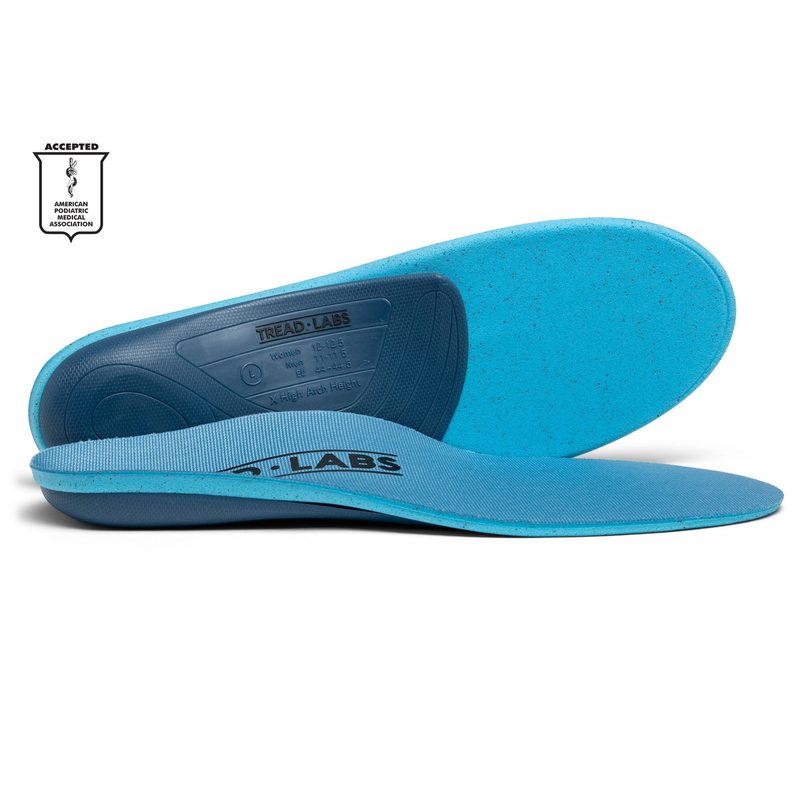
Tread Labs Pace insole

Tread Labs Pace

Premium price range

Extra-firm arch ordered by height (Low for flat feet), deep heel cup, replaceable top cover.

Check current price ›
Best all-rounder#2
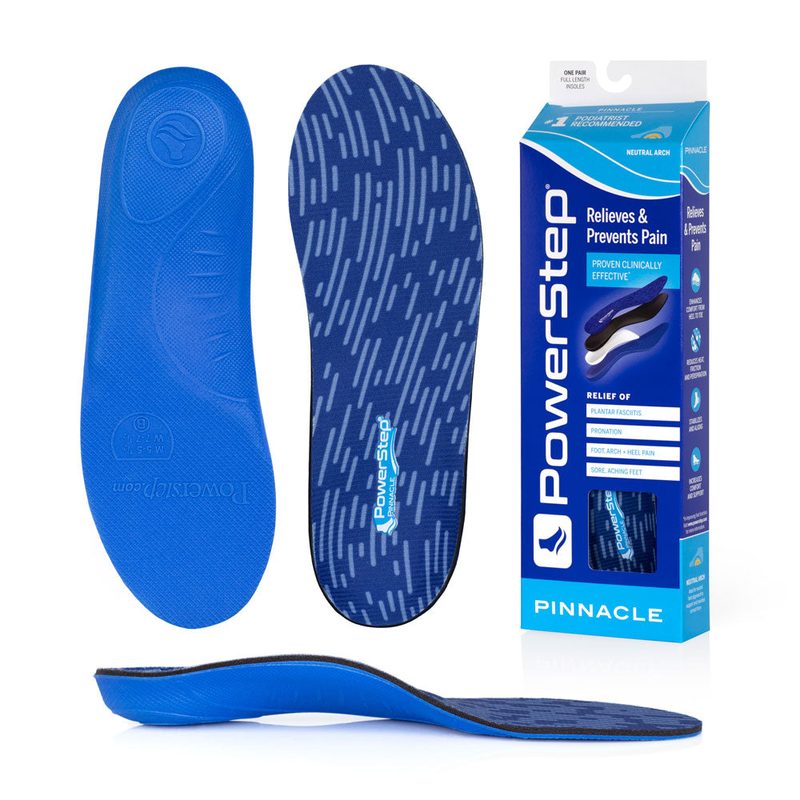
PowerStep Pinnacle insole

PowerStep Pinnacle

Premium price range

Semi-rigid shell, moderate arch and deep heel cradle with cushioning on top; pre-sized.

Check current price ›
Best budget#3
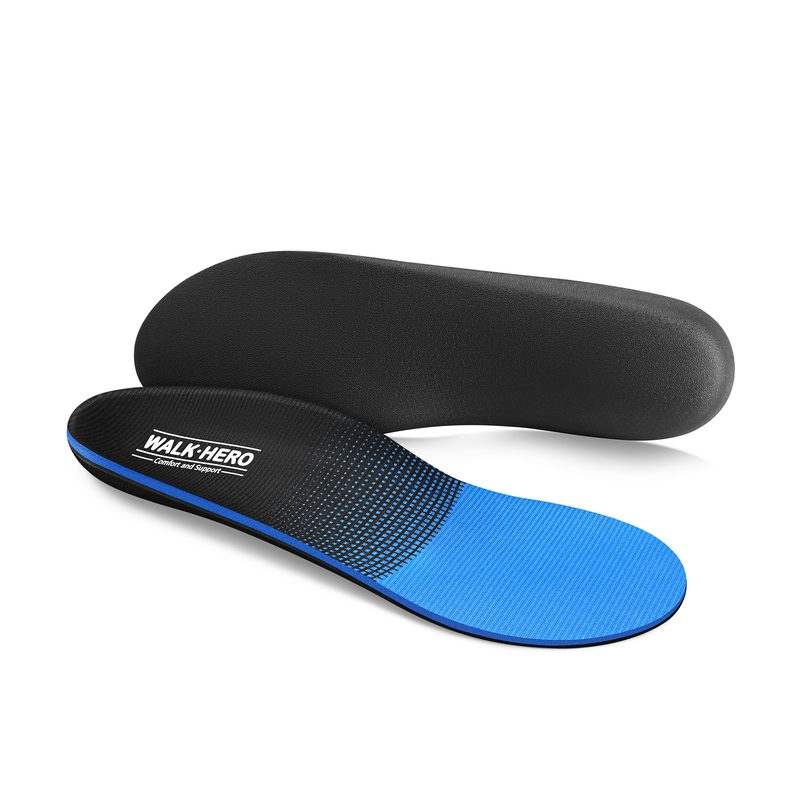
WalkHero Plantar Fasciitis Insoles insole

WalkHero Plantar Fasciitis Insoles

Budget price range

Raised arch, rigid base and deep heel cup at a Budget-tier price.

Check current price ›

In detail

Who each one suits

Specifications are each brand’s own; fit notes draw on podiatry sources and independent reviews. We did not lab-test these insoles.

Tread Labs Pace insole
Premium price range
Best for plantar fasciitis#1

Tread Labs Pace

Tread Labs sells the Pace in four arch heights, so you match the arch to your foot instead of accepting one compromise shape. For flat feet that means the Low (27 mm). The brand names plantar fasciitis and severe overpronation as the use case.

Why it stands out

  • Extra-firm molded polypropylene arch, ordered by height (Low 27 mm, Medium 30 mm, High 33 mm, Extra High 36 mm).
  • Deep heel cup; the 5 mm top cover is replaceable when it wears.
  • Tread Labs backs the arch shell with its “Million Mile Guarantee.”
ArchChoose Low (27 mm) for flat feet
SupportExtra-firm molded polypropylene
LengthFull length, sized
CushioningReplaceable 5 mm top cover
FitsWalking and running shoes, hiking boots

Good fit if

  • You have heel pain and already know arch support helps you.
  • You want a long-lasting shell where only the top cover needs replacing.
  • You prefer firm support over soft cushioning.

Skip it if

  • You are not yet sure insoles help you — prove it with a cheaper insole first.
  • Your shoes do not have a removable insole.
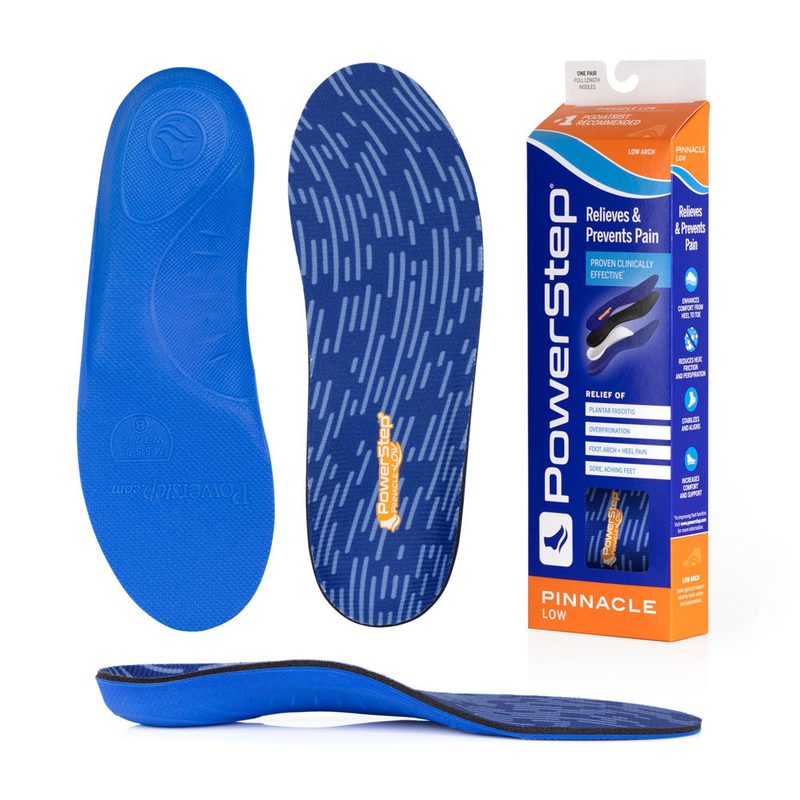
PowerStep Pinnacle insole
Premium price range
Best all-rounder#2

PowerStep Pinnacle

If you have flexible flat feet (the arch reappears when you sit or stand on tiptoe) and you have never worn an orthotic, this is the sensible first one to try. It is firm where it needs to be and cushioned on top, and it comes in full sizes, so there is no trimming.

Why it stands out

  • Polypropylene shell that is firm but flexible, so it supports the arch without feeling like a brick.
  • Deep heel cradle and dual-layer cushioning (foam over an EVA base).
  • PowerStep rates it for mild to moderate pronation; it fits widths up to 2E and is listed in the APMA Seal of Acceptance database.
ArchModerate (neutral)
SupportSemi-rigid polypropylene shell
LengthFull length, pre-sized
CushioningFoam over EVA base
FitsWalking, work and casual shoes with removable insoles

Good fit if

  • Your flat feet are flexible and ache after long days.
  • Your walking, work or casual shoes have a removable insole.
  • You want a pre-sized insole you will not have to trim.

Skip it if

  • No arch appears even on tiptoe (a rigid flat foot) — see a podiatrist first.
  • Your shoes are shallow or the insole does not come out — look at the Pinnacle 3/4.
  • Your ankles roll in a lot — the Pinnacle Maxx adds a posted heel.

PowerStep describes the standard Pinnacle as a neutral arch. If a moderate arch feels like too much under a very flat foot, the same shell comes as the PowerStep Pinnacle Low, which the brand designs for flat feet.

WalkHero Plantar Fasciitis Insoles insole
Budget price range
Best budget#3

WalkHero Plantar Fasciitis Insoles

A large Amazon seller’s plantar fasciitis insole that combines a raised medial arch, a rigid base and a deep heel cup at a budget price. It is a reasonable way to test whether firm arch support helps before spending $50 or more.

Why it stands out

  • Raised arch on a rigid base for support.
  • Deep heel cup with dense heel foam.
  • Sized for men and women, with a budget price.
ArchRaised medial arch
SupportRigid base, EVA/PU
LengthFull length, sized
CushioningDense heel foam
FitsFull-volume shoes, sneakers and boots

Good fit if

  • You have heel pain and want to try firm arch support cheaply.
  • Your shoes are full-volume or have removable insoles.

Skip it if

  • You want a long-established orthotic brand.
  • Your shoes are low-volume.
PowerStep Pinnacle Low insole
Premium price range
Also worth a look

PowerStep Pinnacle Low

The Pinnacle Low uses the same semi-rigid shell and deep heel cradle as the Pinnacle with a lower, contoured arch. PowerStep describes it as made for flat feet and overpronation, so it suits people who find a standard-height arch presses too much.

Why it stands out

  • Low contoured arch on a firm-but-flexible polypropylene shell.
  • Deep heel cradle; foam top layer over an EVA base.
  • Pre-sized in full sizes, widths up to 2E.
ArchLow (made for flat feet)
SupportSemi-rigid polypropylene shell
LengthFull length, pre-sized
CushioningFoam over EVA base
FitsAthletic, work and casual shoes with removable insoles

Good fit if

  • A standard-height arch has felt like a lump under your flat arch.
  • You want PowerStep support in a shape the brand designs for flat feet.

Skip it if

  • Your shoes have no removable insole.
  • Your ankles roll in a lot — the Pinnacle Maxx adds a posted heel.

Heel pain from your first steps?

Support the arch and cradle the heel, wear the insole in your everyday shoes, and give it a couple of weeks.

Check current price ›

Tips

Three things that make the difference

01

Wear support at home too

Heel pain is often worst on the first steps out of bed. Many people keep supportive shoes or slippers by the bed rather than walking barefoot on hard floors.

02

Stretch the calf

Mayo Clinic notes some people with flat feet have a tight Achilles tendon, and AAOS describes a simple wall calf stretch: hold 15 to 30 seconds with both heels flat.

03

Use it in the shoes you wear most

An insole only helps when it is in your feet’s busiest shoes. Move it between pairs, or buy a budget pair for the second shoe.

Honest note

Insoles help some people with heel pain, not everyone. In trials, both custom and off-the-shelf orthoses gave small short-term improvements and no clear long-term difference. If heel pain lasts more than a few weeks or is getting worse, see a doctor or podiatrist.

FAQ

Questions people ask

Do flat feet cause plantar fasciitis?

They may contribute. Mayo Clinic lists flat feet, high arches and an unusual walking pattern as risk factors because they change how weight is spread. A research review called the evidence on foot posture inconclusive, with higher body weight showing a clearer link.

What kind of insole helps plantar fasciitis with flat feet?

A firm arch support with a deep heel cup is the usual recommendation: it supports the arch and cradles the heel. Cleveland Clinic suggests an over-the-counter insert with a firm arch that does not easily give.

Are custom orthotics better for plantar fasciitis?

Not clearly. In a 12-month trial, prefabricated and customized orthoses had similar effects, and a 2018 analysis of 20 studies found no difference in short-term pain between the two. Custom orthotics cost far more.

How long before an insole helps heel pain?

There is no guaranteed timeline. Most people need one to two weeks just to get used to new arch support. If pain is no better after several weeks of consistent wear, or it gets worse, see a professional.

Should I use a heel cup or a full insole?

APMA describes heel cups as one type of insert, but for flat feet a full-length insole with arch support addresses the arch as well as the heel. A heel cup alone adds cushioning without supporting the arch.

When should I see a doctor for heel pain?

See a doctor or podiatrist if pain is severe, follows an injury, lasts more than a few weeks, or comes with numbness or swelling. People with diabetes or circulation problems should see a podiatrist before trying over-the-counter inserts, as the APMA advises.

Support the arch, cradle the heel, then give it time

Want the full picture? See all our best insoles for flat feet, compared by use, and the FAQ on fit, break-in and care.