
Best Insoles for Flat Feet · Overpronation

Best Insoles for Flat Feet and Overpronation

For flat feet that overpronate, choose a firm, semi-rigid insole with a deep heel cup and, ideally, a posted heel: our top pick is the PowerStep Pinnacle Maxx. Overpronation means the foot rolls inward more than usual as you walk or run, which lets the arch flatten further. Insoles do not change the shape of your feet, but a firmer shell is designed to limit that roll while you wear it.

Checked October 2026 · general information, not medical advice

Runner seen from behind on a park path, ankles rolling slightly inward mid-stride

Our top 3

Top picks at a glance

Best for overpronation#1
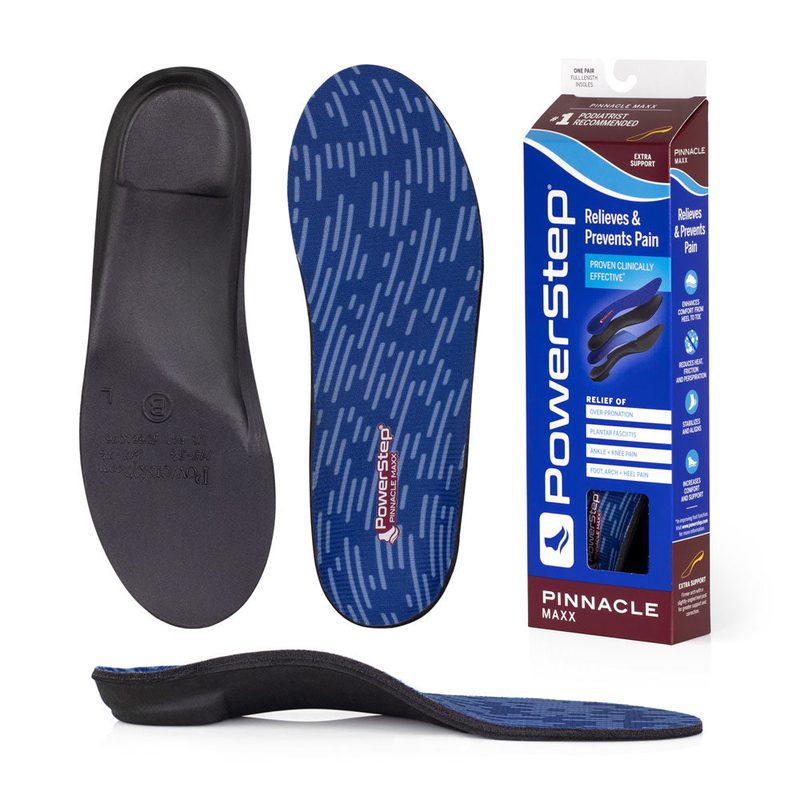
PowerStep Pinnacle Maxx insole

PowerStep Pinnacle Maxx

Premium price range

Firmer shell plus a 2° posted heel, the PowerStep model aimed at moderate to severe overpronation.

Check current price ›
Best firm, by arch height#2
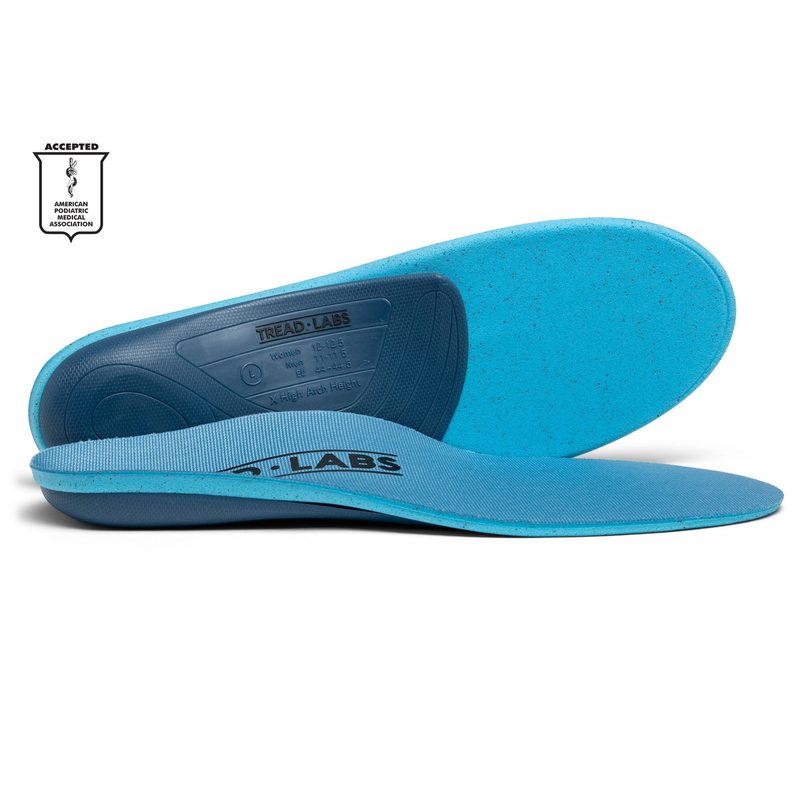
Tread Labs Pace insole

Tread Labs Pace

Premium price range

Extra-firm molded arch you can order in Low (27 mm); Tread Labs names severe overpronators as a use case.

Check current price ›
Best budget#3
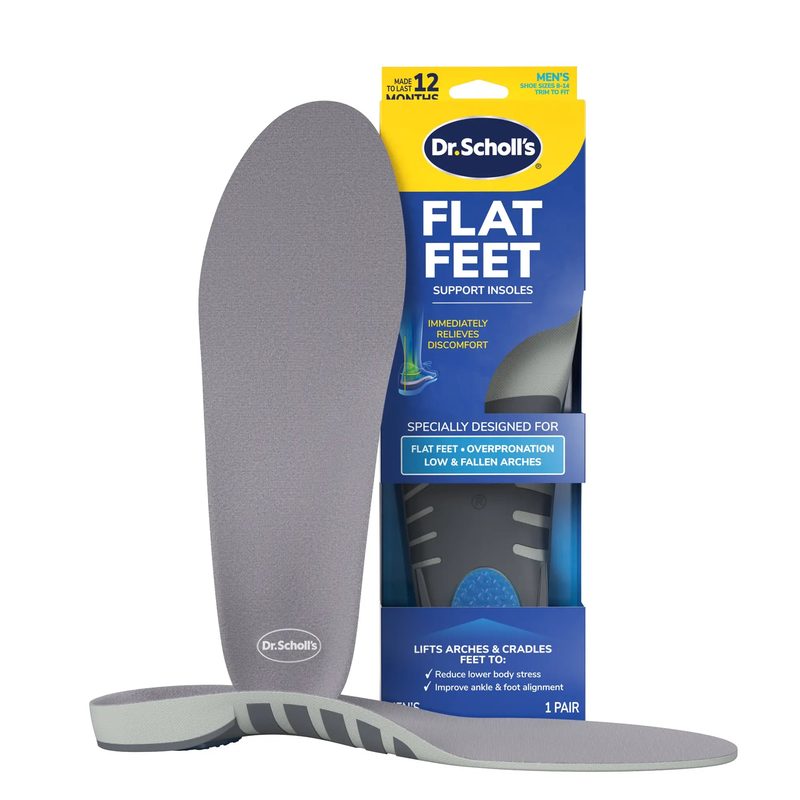
Dr. Scholl's Flat Feet Support Insoles insole

Dr. Scholl’s Flat Feet Support Insoles

Budget price range

Drugstore price, with a motion-control stabilizing shell designed for flat feet and overpronation.

Check current price ›

In detail

Who each one suits

Specifications are each brand’s own; fit notes draw on podiatry sources and independent reviews. We did not lab-test these insoles.

PowerStep Pinnacle Maxx insole
Premium price range
Best for overpronation#1

PowerStep Pinnacle Maxx

The Maxx keeps the Pinnacle arch shape but adds a firmer shell and an angled heel platform. PowerStep positions it for moderate to severe overpronation, which is common in flat feet.

Why it stands out

  • Firmer polypropylene shell with a 2° medial heel post (PowerStep’s figure).
  • Deep heel cradle and the same dual-layer cushioning as the Pinnacle.
  • Works in athletic, work and casual shoes with removable insoles, including work boots.
ArchModerate, posted heel
SupportFirmer shell, 2° medial heel post
LengthFull length, pre-sized
CushioningFoam over EVA base
FitsAthletic, work and casual shoes with removable insoles

Good fit if

  • Your arch drops noticeably and the inside edge of your shoes wears first.
  • A regular cushioned insole flattens out under you.
  • You stand or walk for long stretches in shoes with removable insoles.

Skip it if

  • Your flat foot is rigid, or you have numbness or neuropathy — get a professional assessment first.
  • Your symptoms are mild and this is your first orthotic — the standard Pinnacle is the gentler start.
Tread Labs Pace insole
Premium price range
Best firm, by arch height#2

Tread Labs Pace

Tread Labs sells the Pace in four arch heights, so you match the arch to your foot instead of accepting one compromise shape. For flat feet that means the Low (27 mm). The brand names plantar fasciitis and severe overpronation as the use case.

Why it stands out

  • Extra-firm molded polypropylene arch, ordered by height (Low 27 mm, Medium 30 mm, High 33 mm, Extra High 36 mm).
  • Deep heel cup; the 5 mm top cover is replaceable when it wears.
  • Tread Labs backs the arch shell with its “Million Mile Guarantee.”
ArchChoose Low (27 mm) for flat feet
SupportExtra-firm molded polypropylene
LengthFull length, sized
CushioningReplaceable 5 mm top cover
FitsWalking and running shoes, hiking boots

Good fit if

  • You have heel pain and already know arch support helps you.
  • You want a long-lasting shell where only the top cover needs replacing.
  • You prefer firm support over soft cushioning.

Skip it if

  • You are not yet sure insoles help you — prove it with a cheaper insole first.
  • Your shoes do not have a removable insole.
Dr. Scholl's Flat Feet Support Insoles insole
Budget price range
Best budget#3

Dr. Scholl’s Flat Feet Support Insoles

At a drugstore price, this is one of the few budget insoles built specifically for flat feet rather than general comfort. Dr. Scholl’s says it is designed for flat feet, low arches and overpronation, with a motion-control stabilizing shell. Older boxes call it “Stability Support.”

Why it stands out

  • Stabilizing shell and contoured arch rather than just gel.
  • Shock-absorbing heel cup.
  • Trim-to-fit in two size ranges.
ArchLow (flat feet, low arches)
SupportMotion-control stabilizing shell
LengthFull length, trim-to-fit
CushioningShock-absorbing heel cup
FitsEveryday shoes with removable insoles

Good fit if

  • You want to find out whether arch support helps before spending $50 or more.
  • You need a pair for each of several shoes.

Skip it if

  • You need the firmer control of a polypropylene orthotic like the Pinnacle Maxx.
  • Your arch stays flat even on tiptoe, or one foot has flattened recently — get a professional assessment first.
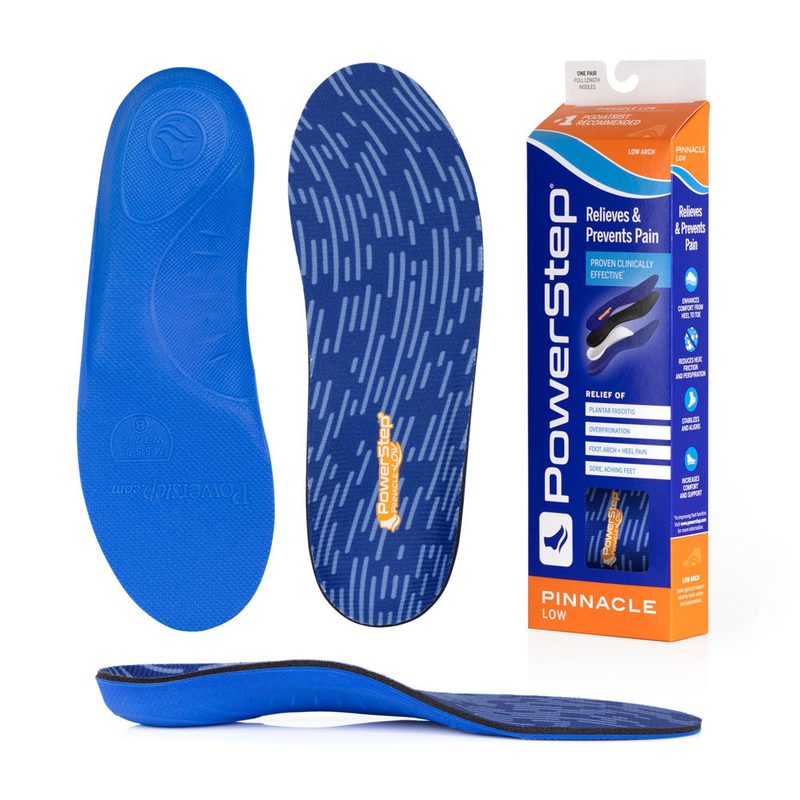
PowerStep Pinnacle Low insole
Premium price range
Also worth a look

PowerStep Pinnacle Low

The Pinnacle Low uses the same semi-rigid shell and deep heel cradle as the Pinnacle with a lower, contoured arch. PowerStep describes it as made for flat feet and overpronation, so it suits people who find a standard-height arch presses too much.

Why it stands out

  • Low contoured arch on a firm-but-flexible polypropylene shell.
  • Deep heel cradle; foam top layer over an EVA base.
  • Pre-sized in full sizes, widths up to 2E.
ArchLow (made for flat feet)
SupportSemi-rigid polypropylene shell
LengthFull length, pre-sized
CushioningFoam over EVA base
FitsAthletic, work and casual shoes with removable insoles

Good fit if

  • A standard-height arch has felt like a lump under your flat arch.
  • You want PowerStep support in a shape the brand designs for flat feet.

Skip it if

  • Your shoes have no removable insole.
  • Your ankles roll in a lot — the Pinnacle Maxx adds a posted heel.

Arches collapsing by the end of the day?

Start with a firmer shell and a posted heel, then build up wear time over one to two weeks.

Check current price ›

Tips

Three things that make the difference

01

Read your shoe soles

Cleveland Clinic says uneven wear, with the inside of the sole wearing faster than the outside, is often the first clue that you overpronate.

02

Pair the insole with a stable shoe

An insole works best in a shoe with a firm heel counter. Cleveland Clinic notes that supportive shoes with good arch support can help counteract overpronation.

03

Build up slowly

Firmer shells take longer to get used to. PowerStep suggests one hour on day one, adding an hour each day.

Honest note

If only one foot has flattened, or you have pain and swelling behind the inside ankle bone, do not just buy an insole. AAOS lists these as signs of posterior tibial tendon problems, which need a professional assessment.

FAQ

Questions people ask

What is overpronation?

Pronation is the normal inward roll of the foot that spreads your weight from heel to toe. Cleveland Clinic describes overpronation as the foot tilting toward the centre of the body more than usual while you walk or run, which can make the arches flatten more than they should.

Is overpronation the same as flat feet?

Not exactly, but they often go together. Cleveland Clinic says overpronation is usually the result of natural variation in the feet, especially if you have flat feet. You can have low arches without much overpronation, and some people overpronate with a normal arch.

Can insoles correct overpronation?

They do not correct the shape of your feet. Cleveland Clinic says orthotics can help manage symptoms, and a firmer insole with a posted heel is designed to limit inward roll while you wear it. Stopping use usually means the effect stops too.

What is a medial heel post?

It is an angled wedge on the inner side of the heel. PowerStep’s Pinnacle Maxx has a 2° medial post on a firmer shell, which is the main difference from the standard Pinnacle according to PowerStep.

Do I need motion-control running shoes as well?

The research is mixed. Military studies found that matching shoes to arch type made little difference to injury rates, while one randomized trial found motion-control shoes reduced injuries in runners with pronated feet. Comfort is a reasonable guide.

When should I see a podiatrist about overpronation?

If you have persistent pain, pain or swelling on the inside of the ankle, flattening in one foot only, or trouble with balance, the NHS and AAOS advise getting checked rather than relying on an insole.

Give a collapsing arch something firm to rest on

Want the full picture? See all our best insoles for flat feet, compared by use, and the FAQ on fit, break-in and care.